Completed Completion report

Young Scholars Programme

Learning Support and Peer Mentorship

A two-year learning and mentorship intervention that paired structured study support with consistent guidance from trained youth mentors.

Period
January 2023 – December 2024
Location
Busia County · Kakamega County
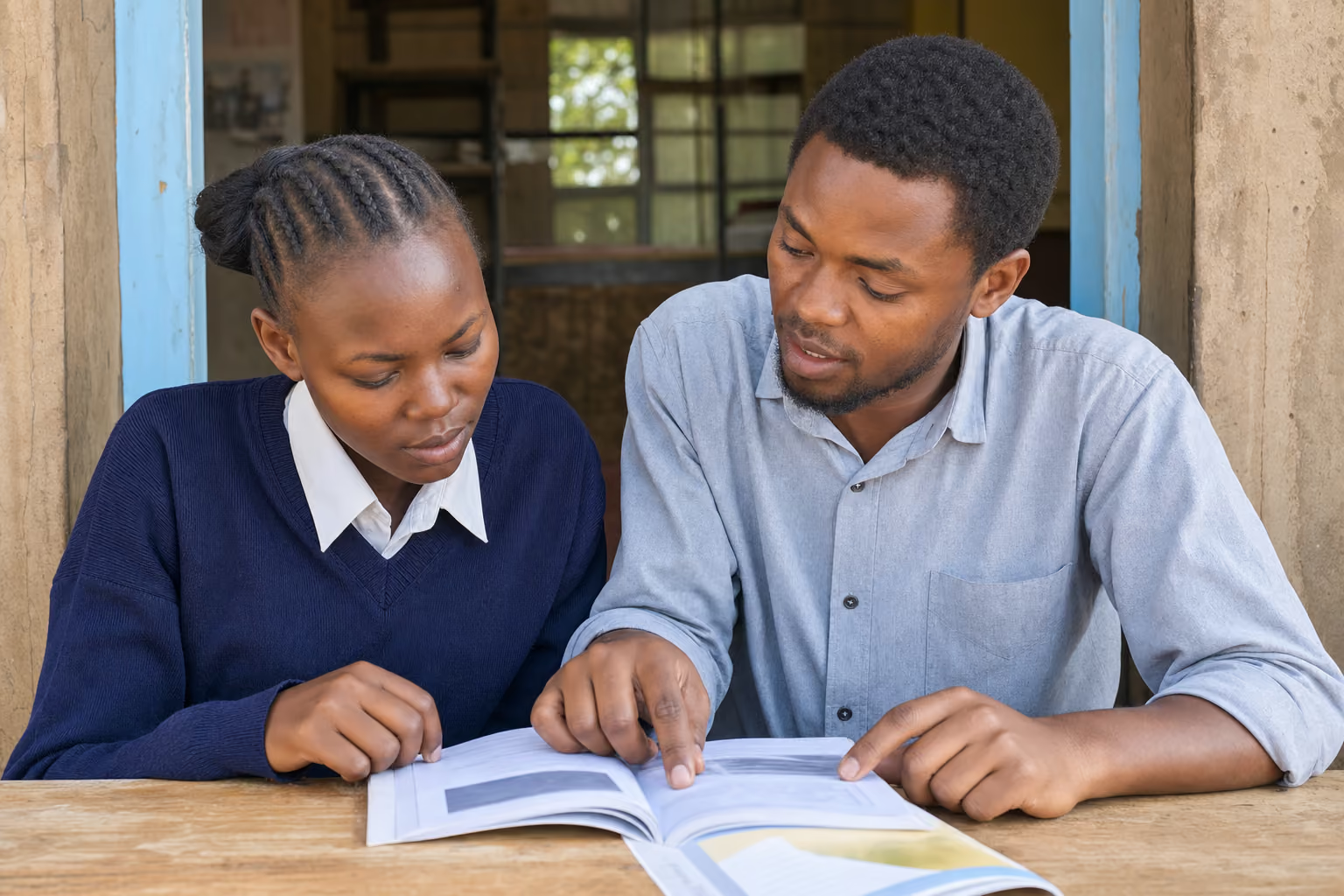
A mentor and a learner reviewing study material together.
Illustrative image

Results at a glance

240 learners completed at least two learning cycles
36 youth mentors trained and supervised
82% participants maintained regular session attendance

Intervention overview

The case for this work

01

Context

Learners can remain enrolled while still struggling with confidence, study habits, limited individual attention, and uncertainty about their next step. These pressures are especially difficult where families and schools have few resources for sustained support beyond the classroom.

02

Our response

The intervention organised small learning circles through partner schools and community venues. Trained youth mentors led study sessions, checked learner progress, provided life-skills guidance, and referred concerns requiring professional or school-based support.

Beneficiaries

Who the intervention serves

Secondary-school learners who needed additional academic and personal support

Objectives

  1. 01

    Improve learners' study habits, confidence, and consistent participation in education.

  2. 02

    Establish trusted peer and near-peer mentorship around learners.

  3. 03

    Strengthen communication among learners, mentors, families, and schools.

Delivery

Activities and implementation

  • Weekly subject-support and study-skills sessions
  • Monthly individual mentor check-ins
  • Life-skills and wellbeing conversations
  • Family and school progress meetings
  • Referral of safeguarding and specialist-support concerns
01

Jan–Mar 2023

Baseline and mentor preparation

Schools and community partners identified learners, mapped support needs, and prepared the first mentor cohort.

02

Apr–Dec 2023

First learning cycle

Learning circles, mentor check-ins, and family engagement were delivered and reviewed quarterly.

03

Jan–Dec 2024

Expansion and close-out

A second learner cohort joined, experienced participants supported peers, and final progress data were consolidated.

Measurement

Results framework

Result Indicator Baseline Target Verification
Learners participate more consistently in structured learning. Percentage attending at least 75% of scheduled sessions 46% 75% Signed attendance registers and mentor records
Learners demonstrate stronger study planning and confidence. Percentage improving their learner self-assessment score 31% 70% Entry and exit learner assessments
A local mentorship base remains available to learners. Trained mentors completing the full supervision cycle 0 30 Training, supervision, and completion records

Inclusion and safeguarding

Participation by design

  • Recruitment targets balanced participation by girls and boys and made reasonable adjustments for learners with disabilities.
  • Session schedules were agreed with learners and caregivers to avoid conflicting with school and household responsibilities.

Risk management

Risks addressed in delivery

Irregular attendance during examinations and household peak periods
Align the calendar with schools and provide catch-up sessions through mentors.
Mentors handling needs beyond their competence
Use a written referral pathway and regular supervision by the programme lead.

Sustainability

What continues beyond delivery

  • Retain trained mentors in a county-level pool available for future learning cycles.
  • Transfer reusable session guides and learner-tracking tools to participating schools and community partners.

Work with AYCP

Build practical opportunities with young people

AYCP works with institutions, community actors, and aligned partners who can strengthen programme learning, reach, and long-term value.

Discuss a partnership